
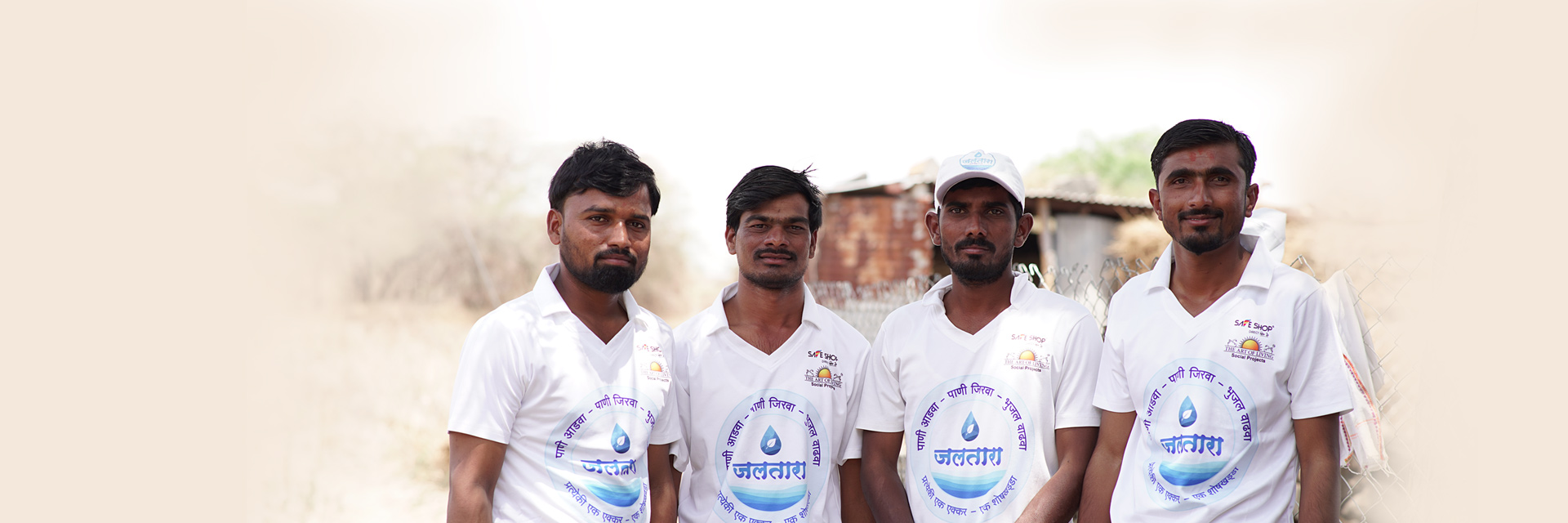


Youth Leadership Training Program
We believe that empowering communities to take up developmental projects brings accountability through the active participation of the entire community. Projects are most successful when the community takes ownership at every stage, right from planning and funding to implementation and sustainability of their initiatives.
The Art of Living’s role is to become a driver of change by helping communities to shift their mindset from a ‘want state’ to becoming the ‘drivers of change’ themselves. The Art of Living has made Youth Leadership Training Program (YLTP) its vehicle for this transformation, resulting in efficient and effective delivery of its projects. Motivated youth are selected from the local communities and trained appropriately.
The YLTP focusses on personal development and communication skills. Through stress-reducing breathing techniques, individuals find inner peace and communities to come together in a spirit of service. Participants are inspired to volunteer for rural projects. The fruits of the seeds sown in these sessions are experienced by the community as a whole.
These empowered youth, known as Yuvacharyas, act as change agents in their local communities. They take responsibility for implementing the project on the ground under the close supervision of senior project leaders.
These local Yuvacharyas have a strong sense of ownership for the change they seek and their local knowledge is pivotal in the smooth execution of the projects. After the project is over, these Yuvacharyas ensure continuity and sustainability of the project.
So far the YLTP base model has rendered remarkable success. The uniqueness of the YLTP model comes from its intrinsic ability to integrate any issue into its leadership training model and to ensure mindset transformation on the issue on a sustainable basis.
If you wish to be a part of the team, please get in touch with us to know more about the service projects in your area and get involved!
Testimonials
When I came to know about the benefits of JalTara, I decided to implement it on my farm. It has prevented waterlogging and preserved groundwater for a longer time.

Krishna Takle
Farmer, Pokhari Village, Jalna District
Under JalTara Yojna, recharge structures were constructed on my farm. Usually, during the summer season, we experience drought problems, but this time there is enough water available for farming all year long.

Digambar Baburao Takle
Farmer, Manta Taluka, Jalna District
After the implementation of the JalTara Project, the water level in my area has increased.

Gyaneshwari Kakde
Farmer, Manta Taluka, Jalna District
Before JalTara Yojna no effort was made to conserve water. After the implementation of JalTara Yojna, we have plenty of water in our hand pumps.

Suman Bai
Farmer, Murumkheda Village
Our village, Shivangiri, benefited from the JalTara Project. This strategy has raised groundwater levels and doubled our income. Today, farmers are happy.

Madan Pandrinath Jadhav
Farmer, Jalna District
In the framework of the JalTara project, we built recharge shafts close to wells. After the very first rain, we discovered that the water level had risen to 75%. The JalTara project is an excellent way to end water scarcity and should be implemented by everyone to increase groundwater.
Mahadev Nivratti Narvade
Farmer
I had 6 acres of land, of which one acre produced crops. Previously, there was mud after rains. After the construction of JalTara recharge structures, the water level in my well has risen. I can grow more crops now.

Appasaheb Bahekar
Farmer, Jalna District
I have been farming for two years. JalTara came into existence in our village last year. I own 32 acres of land for farming where 40 JalTara recharge structures were constructed. Earlier, where there were 8-10 crore crops, now the land is producing 13-14 crore crops every year.

Narayan Vaidyanath Dighe
Farmer, Ambora, Jahangir Village
JalTara's technique benefited us. We didn't have to spend anything to implement the JalTara technique on our farm and reaped immediate benefits after recharge structures were constructed next to our wells as the water levels doubled.

Vikas Hamre
Farmer, Warud Village
Due to JalTara recharge structures, water levels in the well of my village have increased. I recommend that all the farmers in other villages should implement the JalTara technique on their farms.

Baburao Jaivanto Kakde
Farmer, Jaipur Village (MH)
Earlier, there was too much mud on the farm. Excess water was soaked after constructing JalTara recharge structures. Water levels in my wells have increased. Soybean & chana crops production optimized.
Sulabai Chavhal
Farmer, Murumkheda Village (MH)
Earlier, one of my wells dried up and was not in use. I implemented JalTara on my farm, but neighbouring farms faced the problem of excessive mud. After seeing me, they also implemented JalTara recharge structures, which led to an increase in 14 quintals of soybean yield.
Ashok Ambure
Farmer, Jalna District
Previously, 90% of the houses in this area were made of mud. Currently, 60 to 70 % of houses are built of concrete, and the remaining ones will be finished within a year. When I finish building my house, I'll give it the name 'JalTara'
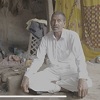
Nivritti Kisarao Palve
Farmer, Palashkheda Village, Jalna